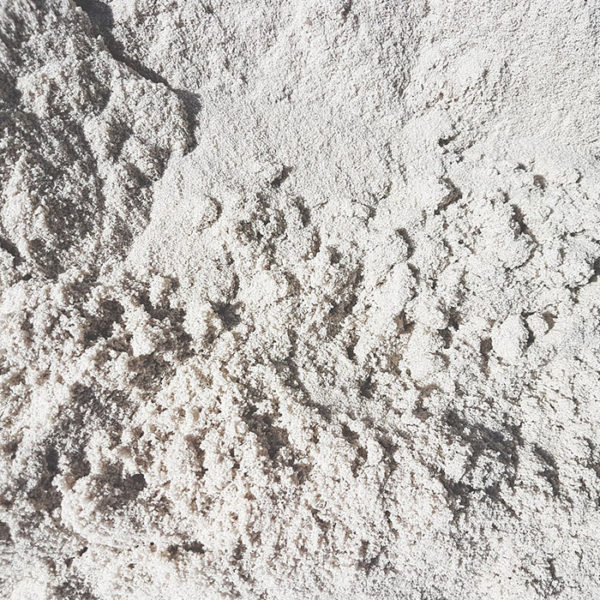
Applying white sand to a lawn is a practiced method for improving soil structure and drainage. This technique, often used on golf courses and bowling greens, can help level out minor bumps and create a firm, smooth surface for grass to grow. Success depends on using the correct material and following a careful process.
This guide outlines the steps for applying white sand effectively.
Select the Right Material
First, ensure you are using the proper sand. Horticultural or washed plasterer’s sand is suitable. The particles should be coarse and sharp, not fine like beach sand. Coarse sand resists compaction and allows water to drain freely.
Pure white sand is typically free of clay, silt, and organic matter, which is essential for modifying soil texture without introducing weeds or disease. Visit a local building supply or landscape center and specify your need for lawn application.
Prepare the Lawn
Mow your grass to a very short height. This allows the sand to reach the soil surface instead of resting on top of the grass blades. Remove any debris like leaves, twigs, or thatch. For existing lawns, core aeration is a highly beneficial step before sand application. An aerator pulls small plugs of soil from the ground, creating holes that help the sand integrate deeper into the soil profile, improving drainage and root growth.
Apply the Sand Evenly
The key to this task is a thin, uniform application. Spread dry sand across the lawn. Aim for a layer no deeper than ¼ to ½ inch. You can use the back of a rake or a leveling drag for small areas. For larger lawns, a push spreader designed for granular materials provides the most consistent results.
Avoid dumping piles of sand, as these will smother and kill the grass beneath. The goal is to fill in low spots and coat the surface lightly, letting the grass blades peek through.
Work the Sand Into the Turf
After spreading, gently drag the lawn with a piece of flexible matting, a drag brush, or the back of a leaf rake. This action works the sand down to the soil level, filling aeration holes and depressions. It also brushes any excess sand off the grass blades, preventing them from being shaded. The grass should remain visible across the entire lawn after this process.